
 Deutsch
 Français
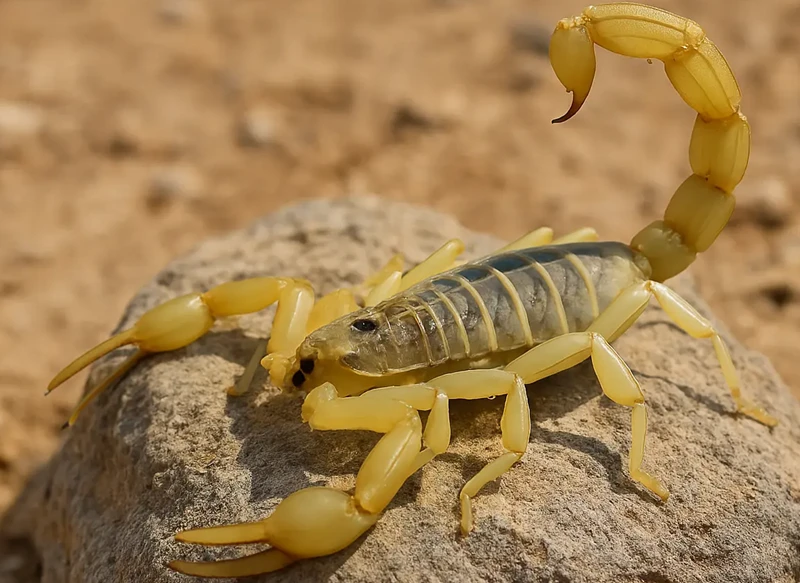
Buy Deathstalker Scorpion Venom
Price range: 4,500.00€ through 20,000.00€
Deathstalker Scorpion Venom for sale
If you want to buy scorpion venom, you’ve come to the right place at Purevenoms. We offer highly pure Leiurus quinquestriatus venom for pharmacological and biochemical research projects. The venom contains valuable peptides such as chlorotoxin, which are intensively studied in modern oncology.
Scientific Name: Leiurus quinquestriatus
Common Names: Deathstalker, Israeli Yellow Scorpion, Omdurman Scorpion, Palestine Yellow Scorpion
Geographic Origin: North Africa, Middle East (Egypt, Israel, Jordan, Saudi Arabia, Libya, Tunisia)
Venom Type: Neurotoxic (targets sodium and chloride channels)
Primary Research Compound: Chlorotoxin (CTX)
Form: Lyophilised (freeze-dried) powder
Purity: ≥92% protein content
Storage: -20°C to -80°C
Shelf life: 3-5 years when stored properly
Availability: In stock, 3-4 week lead time
Buy Deathstalker Scorpion Venom | Leiurus quinquestriatus
Pharmaceutical-grade Deathstalker (Leiurus quinquestriatus) scorpion venom for cancer research. Chlorotoxin, ion channels. COA included. UK & EU delivery. Buy Deathstalker Scorpion Venom online
Product Overview
Scientific Name: Leiurus quinquestriatus
Common Names: Deathstalker, Israeli Yellow Scorpion, Omdurman Scorpion, Palestine Yellow Scorpion
Geographic Origin: North Africa, Middle East (Egypt, Israel, Jordan, Saudi Arabia, Libya, Tunisia)
Venom Type: Neurotoxic (targets sodium and chloride channels)
Primary Research Compound: Chlorotoxin (CTX)
Form: Lyophilised (freeze-dried) powder
Purity: ≥92% protein content
Storage: -20°C to -80°C
Shelf life: 3-5 years when stored properly
Availability: In stock, 3-4 week lead time
Why Deathstalker Venom Is the Most Expensive Venom in the World
Price: €4500-€40000 per gram (retail research-grade)
Deathstalker scorpion venom holds the distinction of being the most expensive biological fluid on Earth, significantly more valuable than snake venom, pharmaceutical drugs, or even gold. One millilitre of pure Deathstalker venom can cost upwards of €30.00.
Why Is Deathstalker Venom So Expensive?
1. Extremely Low Yield Per Extraction
- Each scorpion produces only 2-3 mg of venom per milking
- Requires milking thousands of scorpions to obtain 1 gram
- Manual extraction is labour-intensive and time-consuming
- Each scorpion can be milked once every 4-6 weeks only
2. High-Risk Extraction Process
- Deathstalker is one of the most dangerous scorpions (potentially lethal sting)
- Requires expert handlers with extensive experience
- Electrical stimulation or manual extraction both carry risks
- Specialised facilities and safety equipment required
3. Complex Purification & Quality Control
- Venom contains 100+ different peptides requiring separation
- Chlorotoxin isolation requires advanced chromatography
- Extensive quality control testing (HPLC, mass spec, bioassays)
- Pharmaceutical-grade purity standards
4. Exceptional Research & Clinical Value
- Chlorotoxin: Groundbreaking cancer imaging and therapy compound
- Ongoing clinical trials for brain tumour treatment
- Multiple pharmaceutical companies licensing chlorotoxin derivatives
- High demand from oncology research institutions worldwide
5. Limited Suppliers
- Few ethical suppliers with proper scorpion husbandry
- Regulatory compliance requirements restrict the market
- Wild populations declining in some regions
- Captive breeding programmes are insufficient to meet demand
Comparison:
- Deathstalker venom: €15,000-€40,000/gram
- King Cobra venom: €3,000-€8,000/gram
- Black Mamba venom: €800-€3,200/gram
- Gold: ~€60/gram
- Platinum: ~€30/gram
Buy Death Hunter Scorpion Venom online.
Buy Death Hunter scorpion venom: Discover high-purity venom for your research today. Order now from Purevenoms with fast EU delivery! The decision to buy Death Hunter scorpion venom requires the highest precision and absolute trustworthiness. At Purevenoms, we understand these specific requirements of the European scientific community. We supply excellent quality animal venom for demanding laboratories. Our range includes exclusively pure venoms, which are subject to strict quality controls.
The demand for this special venom is growing rapidly. It is known for its unique biochemical composition. We supply institutions across Europe, from the United Kingdom to Germany, reliably and discreetly.
What is Death Hunter scorpion venom, and why is it so in demand?
The Death Hunter’s venom is a highly complex mixture of potent neurovenom and peptides for modern medical research.
The Leiurus quinquestriatus belongs to the Buthidae family. It is native to the deserts of North Africa and the Middle East. The venom secretion contains over a hundred different peptides. These substances specifically interact with ion channels in the nervous system. Researchers value these properties enormously. The World Health Organization (WHO) regularly points out the medical importance of animal venoms. Many of these compounds serve as templates for new drugs. The targeted effect on nerve cells makes this venom indispensable. At Purevenoms, we ensure that this complexity is maintained in every delivery.
Medical & Research Significance
The Deathstalker scorpion produces venom of unparalleled medical importance, primarily due to chlorotoxin (CTX), a 36-amino acid peptide that has revolutionised brain tumour research and treatment.
Chlorotoxin: The “Tumour Paint” Molecule
In 1993, researchers at the University of Alabama discovered that chlorotoxin from Deathstalker venom selectively binds to glioblastoma multiforme (GBM) brain tumour cells with extraordinary specificity, while largely sparing healthy brain tissue.
Key Discovery: Chlorotoxin binds to MMP-2 (matrix metalloproteinase-2) and chloride channels overexpressed on glioma cell surfaces. This selective binding led to the development of:
1. Tumour Imaging – “Tumour Paint”
- Chlorotoxin conjugated to fluorescent dyes (Cy5.5, ICG)
- Allows neurosurgeons to visualise tumour margins in real-time during surgery
- Brand name: “BLZ-100” or “tozuleristide” (Blaze Bioscience)
- FDA Fast Track designation granted (2016)
- Improves surgical outcomes by enabling complete tumour removal
2. Targeted Drug Delivery
- Chlorotoxin-conjugated nanoparticles deliver chemotherapy directly to tumour cells
- Reduces systemic toxicity of chemotherapy
- Crosses blood-brain barrier selectively
- Under development for glioblastoma, medulloblastoma, melanoma
3. Diagnostic Applications
- PET/SPECT imaging agents for tumour detection
- Early-stage cancer screening
- Metastasis monitoring
Clinical Trial Status (2026):
- Phase II trials completed for tozularistide (tumour imaging)
- Phase I/II trials ongoing for chlorotoxin-drug conjugates
- Estimated FDA approval: 2027-2028 for imaging indication
Venom Composition & Toxin Profile
Deathstalker venom is a complex cocktail of over 100 different peptides and proteins, with neurotoxins targeting ion channels as the primary components.
Major Toxin Families
1. Chlorotoxin (CTX)
Molecular Properties:
- 36 amino acids, 4 disulphide bridges
- Molecular weight: 3,960 Da
- Highly stable structure
- Crosses blood-brain barrier
Mechanism of Action:
- Blocks small-conductance chloride channels (ClC-3)
- Inhibits matrix metalloproteinase-2 (MMP-2)
- Binds to annexin A2 on tumour cell surfaces
- Disrupts cell migration and invasion
Research Applications:
- Glioblastoma imaging and surgery
- Drug delivery vehicle for CNS tumours
- Cancer cell migration studies
- Chloride channel pharmacology
- Blood-brain barrier transport research
Commercial Development: Multiple pharmaceutical companies have licensed chlorotoxin technology:
- Blaze Bioscience (BLZ-100/tozuleristide)
- TransMolecular Inc. (TM-601)
- NanoCarrier Co. (chlorotoxin-liposome systems)
2. Charybdotoxin (ChTX)
Properties:
- 37 amino acids
- Potent blocker of large-conductance calcium-activated potassium channels (BKCa, KCa1.1)
- Also blocks voltage-gated Kv1.3 channels
Mechanism:
- Physically occludes potassium channel pore
- Prevents potassium efflux during repolarisation
- Prolongs action potential duration
Research Applications:
- Potassium channel structure-function studies
- Smooth muscle contraction research
- T-cell activation and immunology (Kv1.3 in T-cells)
- Therapeutic target for autoimmune diseases
- Neuronal excitability studies
Clinical Potential: Charybdotoxin analogues are being developed as:
- Immunosuppressants for autoimmune diseases (multiple sclerosis, rheumatoid arthritis)
- Anti-inflammatory agents
- Treatment for overactive bladder (smooth muscle relaxation)
3. Scyllatoxin (Leiurotoxin I)
Properties:
- Small peptide (31 amino acids)
- Blocks small-conductance calcium-activated potassium channels (SKCa, KCa2.x)
Mechanism:
- High-affinity block of SK channels
- Modulates neuronal firing patterns
- Affects afterhyperpolarisation in neurones
Research Applications:
- SK channel pharmacology
- Neuronal excitability and synaptic plasticity
- Memory and learning research
- Epilepsy mechanisms
- Atrial fibrillation research (SK channels in heart)
4. Alpha-Toxins (Na+ Channel Modulators)
Deathstalker venom contains multiple alpha-toxins that slow inactivation of voltage-gated sodium channels, causing prolonged depolarisation.
Examples:
- LqTx (Leiurus quinquestriatus toxin)
- LqqIII, LqqIV, LqqV
Mechanism:
- Bind to site 3 on voltage-gated sodium channels (Nav1.1-1.9)
- Delay fast inactivation
- Cause sustained sodium influx
- Lead to repetitive firing, paralysis
Research Applications:
- Sodium channel pharmacology
- Epilepsy research (Nav channel mutations)
- Pain research (Nav1.7, Nav1.8 in nociceptors)
- Cardiac arrhythmia studies
- Drug discovery for sodium channel disorders
5. Beta-Toxins (Na⁺ Channel Activators)
Beta-toxins shift the voltage dependence of sodium channel activation, causing channels to open at more negative potentials.
Examples:
- Lqh III (beta-toxin)
- CSS II analogues
Mechanism:
- Enhance sodium channel activation
- Lower threshold for action potential firing
- Increase neuronal excitability
Research Applications:
- Comparative neurotoxicology
- Evolution of venom components
- Synergistic effects with alpha-toxins
6. Calcins (Cytotoxic Peptides)
Properties:
- Calcium channel blockers
- Antimicrobial activity
- Membrane-disrupting properties
Research Applications:
- Antimicrobial peptide research
- Host-defence mechanisms
- Potential antibiotic alternatives
Research Applications
Cancer Research & Oncology
Brain Tumours (Primary Focus):
- Glioblastoma multiforme (GBM) – the most common malignant brain tumour
- Medulloblastoma (paediatric brain cancer)
- Astrocytoma
- Ependymoma
Chlorotoxin Applications:
- Intraoperative tumour imaging (fluorescence-guided surgery)
- Targeted radiotherapy (chlorotoxin-radioligand conjugates)
- Chemotherapy drug delivery (chlorotoxin-nanoparticle systems)
- Tumor margin detection and complete resection
Other Cancers:
- Melanoma (chlorotoxin binds melanoma cells)
- Prostate cancer
- Breast cancer (MMP-2 overexpression)
- Lung cancer
- Colorectal cancer
Mechanism Studies:
- MMP-2 inhibition and tumor invasion
- Chloride channel role in cancer cell proliferation
- Annexin A2 as therapeutic target
- Blood-brain barrier penetration mechanisms
Neuroscience & Ion Channel Research
Potassium Channel Studies:
- BKCa (KCa1.1) channel structure and function
- SK (KCa2.x) channel pharmacology
- Kv1.3 channels in T-cell activation
- Potassium channel role in neuronal excitability
Sodium Channel Research:
- Nav channel subtype selectivity
- Epilepsy mechanisms (Nav1.1, Nav1.2 mutations)
- Pain signaling (Nav1.7, Nav1.8)
- Cardiac electrophysiology (Nav1.5)
Chloride Channel Research:
- ClC-3 channel function
- Chloride homeostasis in neurons
- Volume regulation in cells
- Chloride channel role in cancer
Immunology & Autoimmune Disease Research
T-Cell Research: Kv1.3 channels are critical for T-cell activation. Charybdotoxin and derivatives are being investigated as selective immunosuppressants.
Target Diseases:
- Multiple sclerosis (autoreactive T-cells)
- Rheumatoid arthritis
- Type 1 diabetes
- Psoriasis
- Inflammatory bowel disease
Advantage Over Traditional Immunosuppressants:
- More selective (targets only Kv1.3-expressing effector memory T-cells)
- Spares beneficial immune responses
- Potentially fewer side effects than broad immunosuppression
Drug Discovery & Development
Therapeutic Peptide Development:
- Optimization of chlorotoxin for tumor targeting
- Charybdotoxin analogs for autoimmune diseases
- Scyllatoxin derivatives for neurological disorders
Drug Delivery Research:
- Blood-brain barrier crossing strategies
- Peptide-drug conjugates
- Nanoparticle surface functionalization
- Cell-penetrating peptide mechanisms
Structure-Activity Relationship (SAR) Studies:
- Mutagenesis of toxin peptides
- Truncation studies
- Cyclization and stability enhancement
- Chemical modification for improved pharmacokinetics
Product Specifications
Physical & Chemical Properties
Appearance: Off-white to pale yellow lyophilized powder
Molecular Weight Range: 3-8 kDa (major peptide toxins)
Solubility: Soluble in water, PBS, acidified solutions (pH 3-4)
pH (Reconstituted): 6.0-7.5
Protein Concentration: 5-20 mg/ml (typical reconstitution)
LD₅₀ (Mouse, IV): 0.25 mg/kg (highly potent)
Quality Control
Peptide Analysis:
- Total protein quantification (Bradford/BCA)
- HPLC chromatographic fingerprinting
- Mass spectrometry (MALDI-TOF, ESI-MS)
- Chlorotoxin content verification (typically 1-5% of total venom)
Purity Assessment:
- Protein content: ≥92%
- Endotoxin testing: <10 EU/mg
- Sterility testing
- Heavy metal screening
Biological Activity:
- Neurotoxicity assay (mouse bioassay or cell-based)
- Ion channel binding assays (where applicable)
- Chloride channel block verification
Certificate of Analysis (COA)
Each batch includes:
- Species verification (Leiurus quinquestriatus)
- Geographic origin
- Batch/lot number
- Extraction date
- Protein concentration and purity
- HPLC chromatogram
- Mass spectrometry data (major peaks)
- Endotoxin levels
- Storage recommendations
- Expiration date
- Suggested reconstitution protocol
Packaging
Available Quantities:
- 1mg: €450
- 5mg: €2,000
- 10mg: €3,800
- 25mg: €8,500
- 50mg+: Request quote
Prices reflect the extremely high value and limited availability of Deathstalker venom
Packaging:
- Sealed amber glass vials
- Inert atmosphere (nitrogen/argon)
- Secondary containment
- Cold-chain shipping with dry ice
- Temperature monitoring device
Legal & Regulatory Compliance
Scorpion venom is classified as a hazardous biological material subject to biosafety regulations.
United Kingdom
Legal Status: Not controlled under Misuse of Drugs Act; regulated as biological hazard
Requirements:
- Institutional purchase authorization
- BSL-2 minimum laboratory containment
- COSHH assessment
- Proper handling, storage, disposal protocols
European Union
Legal Status: Hazardous biological material
Requirements:
- Institutional authorization from research facility
- Biosafety Directive 2000/54/EC compliance
- Local permits (member state-dependent)
- Risk assessment documentation
Shipping & Import
Countries We Ship To:
- United Kingdom
- All EU member states
- Switzerland
- Norway
- Select international markets (with permits)
Import Documentation:
- Commercial invoice
- Certificate of Analysis
- MSDS
- Biosafety declaration
- Import permit (if required)
Ethical Sourcing & Conservation
Non-Lethal Venom Extraction
Extraction Methods:
- Electrical Stimulation: Low-voltage current causes telson (tail) to contract, releasing venom
- Manual Milking: Gentle pressure on venom glands
Extraction Frequency:
- Individual scorpions milked once every 4-6 weeks
- Allows complete venom regeneration
- Minimizes stress
Animal Welfare:
- Appropriate housing (temperature, humidity, substrate)
- Proper nutrition (live insects)
- Veterinary monitoring
- Minimal handling stress
Conservation Status
IUCN Status: Not Evaluated (likely Data Deficient)
CITES Status: Not listed
Population Trend: Unknown, but declining in some regions due to habitat loss and collection
Conservation Concerns:
- Desert habitat degradation
- Over-collection for venom trade
- Persecution by humans (dangerous species)
PureVenoms Conservation Commitment:
- Source from captive-bred populations where possible
- Support ethical breeding programs
- Encourage sustainable venom harvesting practices
- Educational outreach on Deathstalker ecology
Storage & Handling
Storage Conditions
Long-Term Storage (Lyophilized):
- -20°C or -80°C
- Sealed amber glass vial with desiccant
- Shelf life: 3 years (-20°C), 5+ years (-80°C)
- Protect from light, moisture, temperature fluctuations
Short-Term Storage (Reconstituted):
- 2-8°C (use within 48-72 hours)
- Aliquot for single-use to avoid freeze-thaw
Reconstitution Protocol
- Equilibrate vial to room temperature
- Open in biosafety cabinet
- Add sterile water, PBS, or acidified buffer (pH 3-4 recommended for some peptides)
- Typical concentration: 0.5-5 mg/ml
- Gently swirl to dissolve
- Centrifuge briefly if needed
- Aliquot into single-use vials
- Store at -80°C
Note: Some peptides (chlorotoxin) may require acidic conditions for optimal solubility.
Biosafety & Handling
Biosafety Level: BSL-2
PPE:
- Laboratory coat
- Nitrile gloves (double-gloving)
- Safety glasses/face shield
- Closed-toe shoes
Engineering Controls:
- Biosafety cabinet (Class II)
- Sharps disposal
- Spill kit available
Emergency Procedures:
Skin Contact:
- Wash thoroughly with soap and water (15 minutes)
- Seek medical attention if symptoms develop
Eye Contact:
- Flush with water (15 minutes)
- Seek immediate medical attention
Injection (Envenomation):
- MEDICAL EMERGENCY
- Call emergency services (999 UK, 112 EU)
- Inform medical personnel of Deathstalker (Leiurus quinquestriatus) exposure
- Immobilize affected limb
- Monitor for neurological symptoms (muscle spasms, respiratory distress)
- Antivenom may be required (rare in accidental laboratory exposures due to low doses)
Deathstalker Sting Symptoms:
- Severe localized pain
- Numbness/tingling
- Muscle spasms (can be severe)
- Sweating, salivation
- Respiratory distress (severe cases)
- Cardiovascular effects (tachycardia, hypertension)
- Fatalities rare in healthy adults; higher risk in children, elderly, or those with cardiovascular disease
Disposal
- Autoclave (121°C, 30 minutes) or chemical inactivation (10% bleach, 30 minutes)
- Dispose in biohazard waste
- Follow institutional waste procedures
- Maintain disposal records
Ordering Process
Step 1: Institutional Qualification
Required Documentation:
- Institutional letterhead purchase order
- Principal Investigator credentials
- Research protocol brief
- Biosafety approval
- Import authorization (if required)
Step 2: Product Selection & Quote
Given the extremely high value of Deathstalker venom, we recommend starting with the smallest quantity appropriate for your research needs.
Request formal quotation – prices updated regularly based on availability.
Step 3: Order Confirmation
- Review quotation
- Provide shipping address and authorized recipient
- Arrange payment (bank transfer, institutional PO)
- Confirm delivery timeline (3-4 weeks due to extraction complexity)
Step 4: Shipping & Delivery
Timeline:
- UK: 3-4 business days (after extraction/preparation)
- EU: 4-6 business days
- Switzerland: 5-7 business days
- Other: 7-14 business days
Included:
- Certificate of Analysis
- MSDS
- Handling guidelines
- Commercial invoice
- Import documentation
Frequently Asked Questions
Why is Deathstalker venom so expensive?
Deathstalker venom is the most expensive liquid on Earth (€15,000-€40,000/gram) due to:
- Extremely low yield: 2-3 mg per scorpion milking
- High-risk extraction: Potentially lethal species requiring expert handling
- Labor-intensive: Manual milking of thousands of scorpions
- Limited supply: Few ethical suppliers, captive breeding insufficient
- Exceptional medical value: Chlorotoxin for brain tumor surgery and treatment
For comparison, gold costs ~€60/gram – Deathstalker venom is ~300-600× more valuable.
What is Deathstalker venom used for?
Primary research applications:
Cancer Research (Most Important):
- Brain tumor imaging during surgery (chlorotoxin “tumor paint”)
- Targeted drug delivery to cancer cells
- Glioblastoma treatment
- MMP-2 inhibition studies
Neuroscience:
- Ion channel research (chloride, potassium, sodium channels)
- Epilepsy mechanisms
- Pain signaling pathways
Drug Development:
- Immunosuppressants for autoimmune diseases
- Blood-brain barrier crossing strategies
- Targeted therapeutics
Clinical Status: Chlorotoxin-based imaging agent (BLZ-100/tozuleristide) is in Phase II clinical trials, expected FDA approval 2027-2028.
How dangerous is the Deathstalker scorpion?
The Deathstalker is one of the most dangerous scorpions in the world.
Venom Potency:
- LD₅₀: 0.25 mg/kg (highly potent)
- Among the most medically significant scorpion species
Envenomation Symptoms:
- Extreme localized pain
- Severe muscle spasms (can affect whole body)
- Respiratory distress
- Cardiovascular effects (arrhythmias, pulmonary edema in severe cases)
Mortality:
- Healthy adults: Rarely fatal with medical treatment
- High-risk groups: Children, elderly, cardiac patients – mortality up to 10-20% without antivenom
- Deaths primarily from cardiac or respiratory failure
Antivenom: Available in endemic regions (Middle East, North Africa). Trade names:
- Scorpion Antivenom (Israel)
- Anti-scorpion serum (Egypt, Tunisia)
Laboratory Safety: Accidental envenomation from handling venom (not live scorpions) is extremely rare and typically involves very small doses. Even micrograms can cause local pain and discomfort, but serious systemic effects unlikely unless large quantity injected.
Can individuals buy Deathstalker venom?
No. Deathstalker venom is restricted to qualified institutional buyers:
- Research institutions
- Pharmaceutical companies
- Government laboratories
- University research groups
Individual consumers cannot purchase due to:
- Safety concerns (highly toxic)
- Biosafety regulations
- Extremely high cost
- Ethical and liability considerations
How is Deathstalker venom extracted?
Extraction Process:
- Scorpion Handling: Expert handler restrains scorpion with forceps
- Electrical Stimulation: Low-voltage electrical current applied to telson (tail), causing venom release
- Collection: Venom collected in sterile microcapillary tubes or containers
- Volume: Each scorpion yields 0.5-1 μL venom (2-3 mg dry weight)
- Recovery: Scorpion returned to housing, requires 4-6 weeks before next milking
- Pooling: Venom from many scorpions pooled for batch consistency
- Lyophilization: Freeze-dried for stability and storage
Why Manual Extraction Is Expensive:
- Requires 300-500 scorpions to produce 1 gram venom
- Each scorpion handled individually
- Skilled handlers required (high-risk species)
- Time-intensive process
- Infrastructure costs (scorpion facility, climate control, feeding)
Where can I buy Deathstalker scorpion venom?
Legitimate sources for research-grade Deathstalker venom:
- PureVenoms (UK/EU)
- Specialized venom suppliers with proper licensing
- Select pharmaceutical supply companies
Warning: Beware of fraudulent suppliers offering unrealistically low prices. Due to the extreme value of Deathstalker venom, counterfeiting and fraud are concerns. Always:
- Verify supplier credentials
- Request Certificate of Analysis
- Verify institutional purchasing process
- Confirm biosafety compliance
Do NOT purchase from:
- Unverified online marketplaces
- Suppliers without proper documentation
- Offers significantly below market price (likely counterfeit)
Is there an alternative to Deathstalker venom for chlorotoxin research?
Recombinant Chlorotoxin: Yes. Synthetic/recombinant chlorotoxin is available from specialized suppliers:
- Produced in E. coli or yeast expression systems
- Identical amino acid sequence to natural chlorotoxin
- Higher purity (>98%)
- More consistent batch-to-batch
- More affordable (~€200-500 per mg vs. €15-40 per mg for crude venom)
When to Use Natural Venom:
- Studying complete venom effects (synergy between toxins)
- Discovering novel peptides
- Comparative venomics research
- Ethnopharmacology
When to Use Recombinant CTX:
- Focused chlorotoxin research
- Clinical applications requiring pharmaceutical-grade material
- Budget constraints
- Consistent, reproducible experiments
PureVenoms Recommendation: For chlorotoxin-specific research, consider recombinant chlorotoxin. For broader ion channel research or venom pharmacology, crude venom is more appropriate.
Research References
Chlorotoxin Discovery & Cancer Applications:
- DeBin JA et al. (1993). “Chlorotoxin: A unique peptide from scorpion venom binding specifically to glioma cells.” J Biol Chem, 268(10):3854-3861.
- Deshane J et al. (2003). “Chlorotoxin inhibits glioma cell invasion via matrix metalloproteinase-2.” J Biol Chem, 278(6):4135-4144.
- Patil CG et al. (2019). “Phase 1 safety, pharmacokinetics, and fluorescence imaging study of tozuleristide (BLZ-100) in adults with newly diagnosed or recurrent gliomas.” Neurosurgery, 85(4):E641-E649.
Ion Channel Research:
- Miller C et al. (1985). “Charybdotoxin, a protein inhibitor of single Ca2+-activated K+ channels from mammalian skeletal muscle.” Nature, 313(6000):316-318. |
- Legros C et al. (1996). “Characterization of a new peptide from Tityus serrulatus scorpion venom which is a ligand of the apamin-binding site.” FEBS Lett, 390(1):81-84.
Clinical Development:
- Hockaday DC et al. (2005). “Imaging glioma extent with 131I-TM-601.” J Nucl Med, 46(4):580-586.
- Veiseh M et al. (2007). “Tumor paint: A chlorotoxin:Cy5.5 bioconjugate for intraoperative visualization of cancer foci.” Cancer Res, 67(14):6882-6888.
| Menge | 1 Gramm, 3 Gramm, 5 Gramm |
|---|
Be the first to review “Buy Deathstalker Scorpion Venom”
Related products
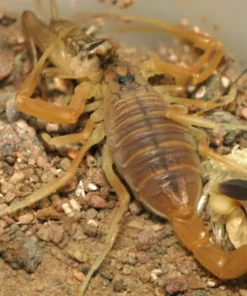
Buy scorpion venom online
Buy Androctonus amoreuxi scorpion venom.
Androctonus amoreuxi scorpion venom is one of the most potent and valuable poisons in scientific research. This North African scorpion produces a highly concentrated neurotoxin with significant applications in pharmacy, toxicology, and neurological research. Our Androctonus amoreuxi scorpion poison is extracted through ethical extraction methods and meets the highest pharmaceutical quality standards. Each batch goes through rigorous testing, analysis, certification, and PCCA compliance. The venom is stored in optimal temperature conditions to ensure maximum potency and stability.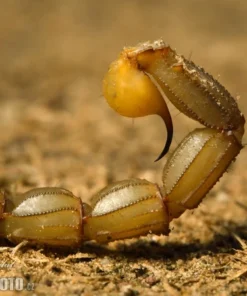
Buy scorpion venom online
Buthus Occitanus Scorpion Venom for sale.
Find a reliable source to buy Buthus Occitanus scorpion venom to be able to? Purevenoms.com offers you high-purity, freeze-dried toxins of the common yellow scorpion for academic and pharmaceutical purposes. Our product comes from ethical extraction and is subject to strict quality controls. This specific venom is rich in peptides that modulate ion channels, making it an indispensable tool in neurobiological research. We guarantee discreet delivery within Europe and offer expert support for technical questions. Benefit from our many years of experience in selling rare animal toxins. Order high-quality Scorpion venom online and secure first-class samples for your laboratory work.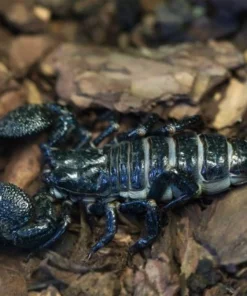
Buy scorpion venom online

2 reviews for Buy Deathstalker Scorpion Venom
There are no reviews yet.