

 Deutsch
 Français
venom news
Frog venom for pharmaceutical research
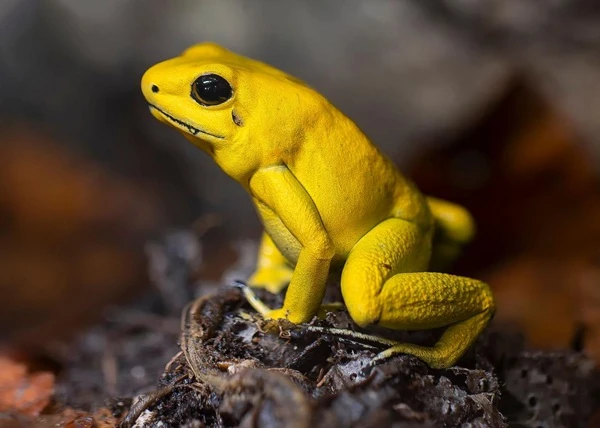
Frog venom for pharmaceutical research: Applications and where to buy
Discover how frog venom for pharmaceutical research unlocks groundbreaking medical treatments. Learn about epibatidine, bufotoxin, and where to buy frog venom for your studies in Europe.
Buy premium frog venom for pharmaceutical research
Explore our high-quality frog venom collection at PureVenoms. We provide researchers with authentic frog venom for sale, including rare compounds like epibatidine and bufotoxin for advanced pharmaceutical studies.
Frog venom for pharmaceutical research: Unlocking nature’s medicinal secrets
Frog venom for pharmaceutical research represents one of the most promising frontiers in modern medicine. These remarkable amphibians produce a diverse array of bioactive compounds that scientists are harnessing to develop new treatments for pain, infections, heart conditions, and even cancer.
At PureVenoms, we specialise in providing researchers with the highest quality frog venom for sale, enabling groundbreaking discoveries in laboratories across Europe. Our carefully sourced venoms contain the very compounds that are revolutionising pharmaceutical development.

What is frog venom for pharmaceutical research?
Frog venom contains unique bioactive compounds that scientists study for developing new drugs and therapies.
These venoms are complex mixtures of alkaloids, peptides, and other molecules that have evolved over millions of years as defence mechanisms. Researchers have identified compounds with potent analgesic, antimicrobial, and cardiac properties that are impossible to replicate synthetically with current technology.
How is frog venom used in pharmaceutical research?
Frog venom is used to develop pain relievers, antibiotics, and cardiac medications through compound isolation and synthesis.
Scientists extract and purify specific compounds from frog venom, then study their mechanisms of action. This research has led to the development of synthetic analogues that retain the therapeutic benefits while minimising toxicity. The process involves identifying promising molecules, understanding their biological targets, and optimising them for human use.
Why is frog venom valuable for drug development?
Frog venom offers unique compounds not found elsewhere in nature, providing new avenues for treating resistant conditions.
The evolutionary pressure on frogs to develop effective defence mechanisms has resulted in molecular structures that interact with human biological systems in novel ways. This makes frog venom an invaluable resource for overcoming challenges like antibiotic resistance and chronic pain management, where traditional approaches have limitations.
What are the best frog venom compounds for pharmaceutical use?
The best frog venom compounds for pharmaceutical use include epibatidine, bufotoxin, and antimicrobial peptides like pexiganan.
| Compound | Source | Pharmaceutical Application | Mechanism |
|---|---|---|---|
| Epibatidine | Epipedobates tricolor | Potent analgesic | Nicotinic acetylcholine receptor agonist |
| Bufotoxin | Bufo toads | Cardiac medication | Na/K-ATPase inhibitor (digitalis-like) |
| Pexiganan (MSI-78) | Xenopus laevis | Antimicrobial | Membrane disruption |
| Magainin | Xenopus laevis | Antibiotic | Membrane permeabilisation |
| Bufotenine | Various toads | Anti-inflammatory | Serotonin modulation |
According to a 2024 study published in the Journal of Ethnopharmacology, these compounds represent the most promising avenues for drug development from amphibian venoms.
Where to buy frog venom for research in Europe?
Researchers can buy frog venom for research from specialised suppliers like PureVenoms.
We offer a comprehensive selection of frog venom for sale in Europe, including the following:
- Poison dart frog venom from various species
- Toad venom containing bufotoxins and bufogenins
- Antimicrobial peptides from Xenopus species
- Custom collections for specific research needs
Our venoms are ethically sourced, properly documented, and shipped with all necessary certifications for pharmaceutical research.
Which frog species produce medicinal venom?
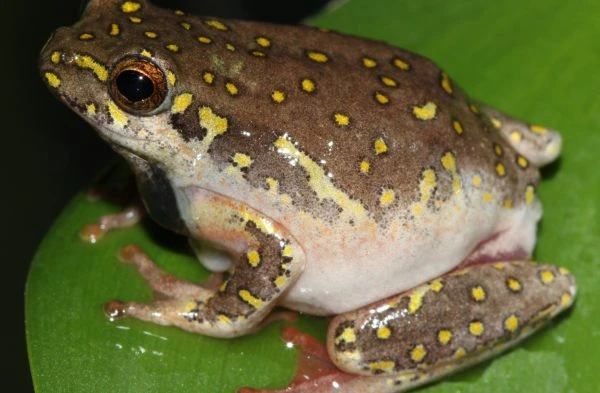
Several frog species produce venom with pharmaceutical potential, including poison dart frogs and toads.
The most significant species for pharmaceutical research include:
- Epipedobates tricolor – Source of epibatidine, a powerful analgesic
- Bufo alvarius (Colorado River toad) – Produces bufotoxin and 5-MeO-DMT
- Xenopus laevis (African clawed frog) – Source of magainin and pexiganan peptides
- Atelopus zeteki (Panamanian golden frog) – Contains zetekitoxins and tetrodotoxins
- Phyllobates terribilis (Golden poison frog) – Produces batrachotoxin
Research from the Smithsonian Tropical Research Institute highlights that many of these species are endangered, making sustainable sourcing crucial for continued pharmaceutical development.
How frog venom helps pain relief research
Frog venom compounds like epibatidine interact with nicotinic acetylcholine receptors to provide powerful pain relief.
Epibatidine, discovered in the Ecuadorian poison frog Epipedobates anthonyi, demonstrates analgesic effects approximately 200 times more potent than morphine. While the natural compound is too toxic for direct use, researchers have developed synthetic analogues like ABT-594 that maintain the pain-relieving properties with reduced side effects.
“The discovery of epibatidine opened entirely new avenues for pain management research, offering non-opioid alternatives that could address the current opioid crisis.”
This research is particularly valuable for developing new classes of pain medications that lack the addictive properties of traditional opioids.
Frog venom antibiotics: The future of infection treatment
Frog skin secretions contain antimicrobial peptides that offer new solutions for antibiotic-resistant infections.
Compounds like pexiganan (MSI-78) and magainin, derived from Xenopus laevis frog skin, have shown remarkable effectiveness against a wide range of bacteria, including strains resistant to conventional antibiotics. These peptides work by disrupting bacterial cell membranes, a mechanism that makes it difficult for bacteria to develop resistance.
The World Health Organization has identified antibiotic resistance as one of the greatest threats to global health, making the development of new antimicrobial agents from frog venom particularly urgent.
What are the cardiac applications of frog venom?
Bufotoxins from toad venom have digitalis-like effects that can be used to develop cardiac medications.
These compounds inhibit the sodium-potassium ATPase pump, similar to established cardiac glycosides like digoxin. This mechanism increases intracellular calcium concentrations in myocardial cells, which can be beneficial for treating certain heart conditions.
According to research published in ScienceDirect, bufotoxins and bufogenins have been used in traditional Chinese medicine for centuries, with modern pharmaceutical applications currently under investigation.
Frog venom in cancer research
Some frog venom compounds show promise in targeting cancer cells while sparing healthy tissue.
Researchers have identified certain alkaloids and peptides from frog venom that can:
- Inhibit tumor cell proliferation
- Induce apoptosis in cancer cells
- Target specific cancer cell markers
- Overcome drug resistance mechanisms
While still in early stages, these findings represent exciting possibilities for developing more effective and less toxic cancer treatments.
How to source frog venom for pharmaceutical research?
To source frog venom for pharmaceutical research, work with reputable suppliers who provide properly documented, ethically obtained samples.
When purchasing frog venom for sale, consider the following:
✅ Species identification – Ensure accurate classification of the source species
✅ Collection methods – Verify ethical and sustainable practices
✅ Documentation – Require certificates of authenticity and analysis
✅ Legal compliance – Confirm all necessary permits and certifications
✅ Quality assurance – Look for suppliers with established quality control processes
At PureVenoms, we meet all these criteria, providing researchers with the confidence they need for their pharmaceutical studies.
Key takeaways
- Frog venom for pharmaceutical research offers unique compounds for drug development
- Epibatidine and bufotoxin are among the most promising compounds
- Antimicrobial peptides from frog skin show potential against resistant infections
- Sustainable sourcing is crucial for continued research
- PureVenoms provides high-quality frog venom for sale to researchers
Frequently asked questions
What makes frog venom valuable for pharmaceutical research
Frog venom contains unique bioactive compounds evolved over millions of years that interact with human biological systems in novel ways, offering solutions for resistant conditions.
How is epibatidine used in pain relief research?
Epibatidine from poison dart frogs demonstrates analgesic effects 200 times more potent than morphine, inspiring the development of synthetic analogues like ABT-594 for pain management.
Where can I buy frog venom for research in Europe?
Researchers can purchase high-quality frog venom for sale from specialised suppliers like PureVenoms, which offers ethically sourced venoms with proper documentation.
Which frog species are most important for pharmaceutical research
Key species include Epipedobates tricolour for epibatidine, Bufo alvarius for bufotoxin, and Xenopus laevis for antimicrobial peptides like pexiganan.
What are the main challenges in using frog venom for drug development
The primary challenges include obtaining sufficient quantities, isolating specific compounds, addressing toxicity issues, and ensuring sustainable sourcing of often endangered species.
How does frog venom contribute to antibiotic development
Frog skin secretions contain antimicrobial peptides like pexiganan and magainin that disrupt bacterial cell membranes, offering new solutions for antibiotic-resistant infections.
What cardiac applications does frog venom have
Bufotoxins from toad venom have digitalis-like effects, inhibiting the sodium-potassium ATPase pump, which can be beneficial for developing cardiac medications.
References
- Smithsonian Tropical Research Institute. (2024). Frog Toxins For Medicine. stri.si.edu/story/frog-toxins-medicine
- Frontiers in Pharmacology. (2020). From Animal Poisons and Venoms to Medicines: Achievements, Challenges and Perspectives in Drug Discovery. frontiersin.org
- PubMed. (2019). Structure, membrane orientation, mechanism, and function of pexiganan. pubmed.ncbi.nlm.nih.gov/19010301
- ScienceDirect. (2024). Bufotoxin – an overview. sciencedirect.com
- Wikipedia. (2024). Epibatidine. en.wikipedia.org/wiki/Epibatidine
- Poison Control. (2024). Poisoning from frogs, newts, toads, and salamanders. poison.org
- Nature Scientific Reports. (2019). Surface Grafted MSI-78A Antimicrobial Peptide has High Potential for Gastric Infection Management. nature.com